July 12–16, 2027
One five-day Build Week for ages 10-13.
Monday to Friday, 9:00 AM–5:00 PM.
Core instruction runs 9:30 AM–3:30 PM.


One five-day Build Week for ages 10-13.
Monday to Friday, 9:00 AM–5:00 PM.
Core instruction runs 9:30 AM–3:30 PM.
One five-day Build Week for ages 10-13.
Monday to Friday, 9:00 AM–5:00 PM.
Core instruction runs 9:30 AM–3:30 PM.
Each session is capped at 25 students.
Tuition covers the program experience, instruction, shared workshop materials, and the Friday Maker Market structure.
230 College Street, Toronto.
The Money Club.Org is an independent nonprofit organization. It is not a University of Toronto program and is not affiliated with or endorsed by the University of Toronto.
Arrival and setup.
Core instruction, design work, money decisions, AI-supported building, feedback, and project iteration.
Supervised work time, reflection, cleanup, and pickup window.
Students should be able to use a laptop independently for age-appropriate research, writing, and building tasks.
The program does not include a separate student build or project budget.
Build Week takes place in downtown Toronto with easy TTC access.
Students work in a classroom-based setting guided by program leadership and student mentors.
The Money Club.Org is an independent nonprofit organization. It is not a University of Toronto program and is not affiliated with or endorsed by the University of Toronto.

At the end of the program, students take part in the Maker Market.
It is a guided, in-person showcase where each team presents what they have built and explains how it works.
They share:
This is not a competition. It is a structured way for students to see how their ideas land with others.

Students explore what other teams have built.
They ask questions, think about what they value, and make choices.
Every decision becomes part of the learning.

Behind each project, students begin to understand:
They start to see the difference between an interesting idea and one that works in practice.

Instead of learning concepts in isolation, students connect them:
They begin to understand not just how money works, but how decisions shape outcomes.
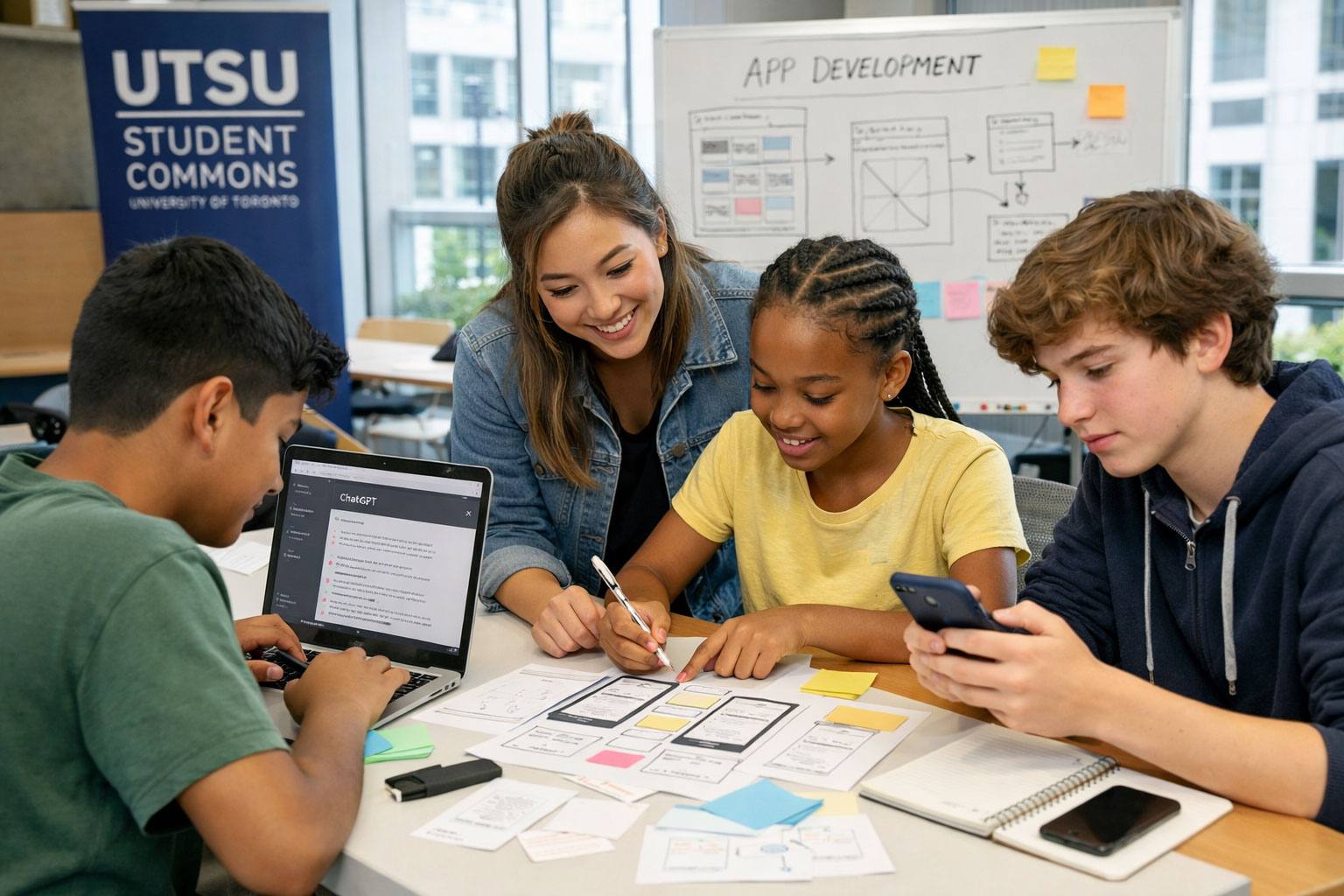
Each team presents their project clearly and confidently.
They explain what they built, how they priced it, what they learned, and what they would improve.
They also answer questions and receive thoughtful feedback from others.
This helps students build confidence in how they communicate ideas.

By the end of the Maker Market, students leave with something they built themselves, feedback from real people, a clearer understanding of what worked, and stronger confidence presenting their thinking.
Most importantly, they gain a practical sense of what makes something worth choosing.

Many programs stop at ideas.
This is where students see what happens next.
They learn how to test thinking, adapt, and improve—skills that carry far beyond the classroom.
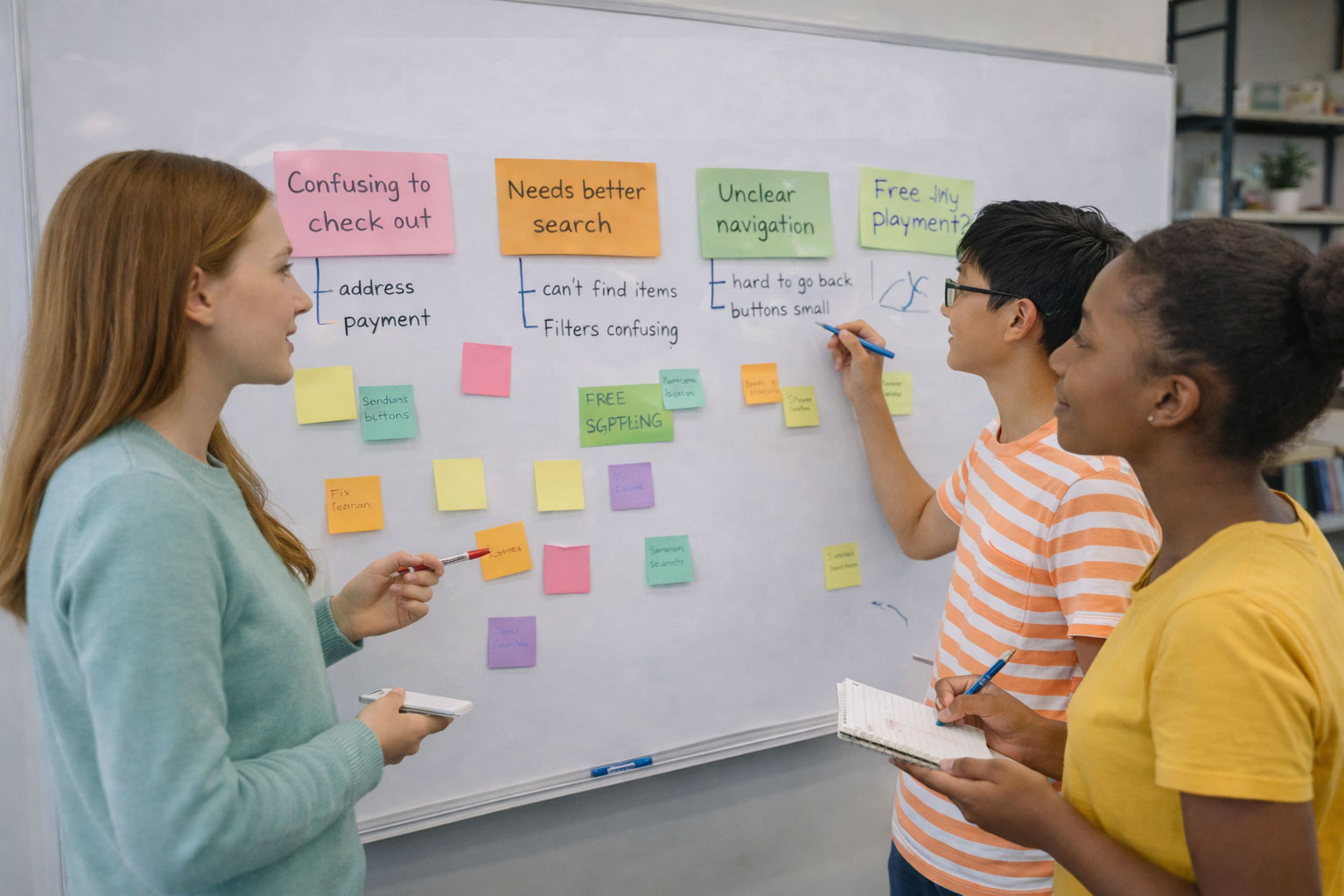
This program tends to fit students who like:
If this sounds like your child, the format usually fits well.